
Past the last cell tower, your satellite messenger can still send a short text — 140 to 200 characters. BlipSat makes that text do a lot more: radar, wave and fire maps, pressure charts and live web searches, on the device you already own.
ZOLEO, Garmin inReach, SPOT X, Bivy and iPhone satellite messaging all send short texts over satellite networks. That’s plenty for “I’m OK.” It’s nowhere near enough for a web page, an image or a weather map.
So nobody sends maps that way. Until now, getting real data meant carrying a much bigger, costlier satellite internet setup.
A radar image is millions of pixels. The storm cells in it are a few dozen shapes. BlipSat sends only the shapes, packed into a handful of characters, and your phone redraws them on a map it already has.
Every map has a budget. One message gets you a fast, chunky overview. Nine gets you fine detail. You see the cost before you send, so you never spend a message on resolution you don’t need.
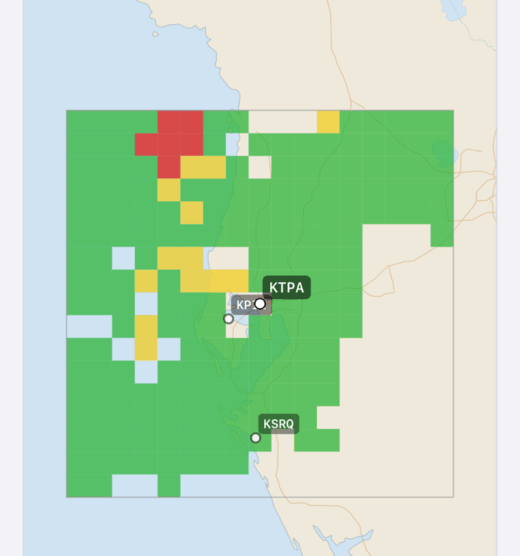
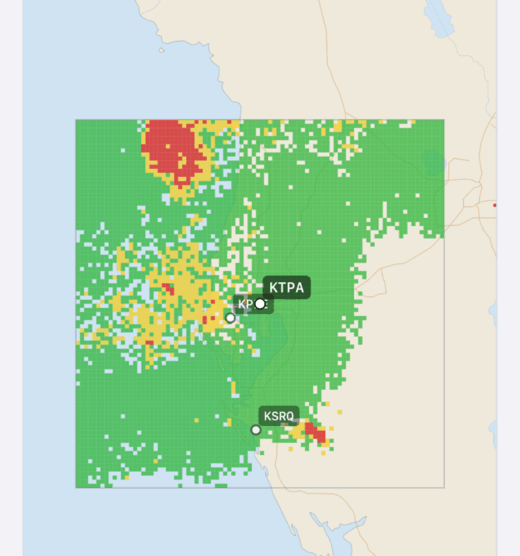
Text search and a question. BlipSat’s AI searches the live web, reads the results, and writes an answer short enough for a satellite text. No other satellite messaging service does this.
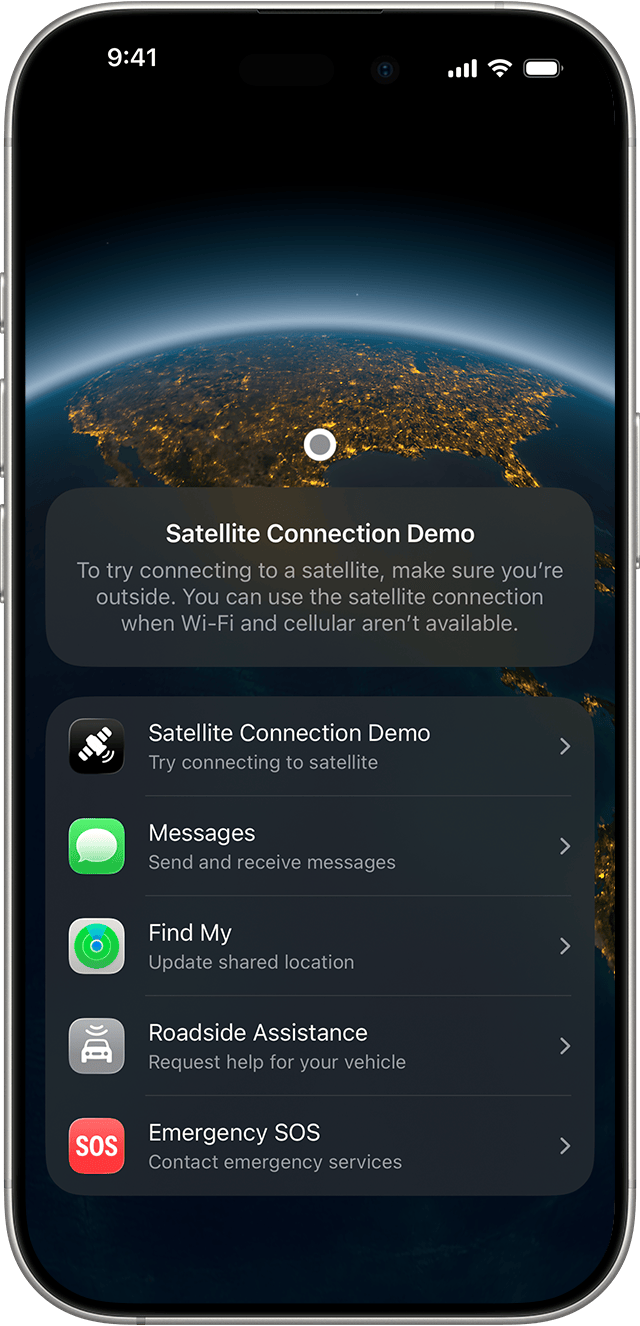
If your iPhone can text over satellite, you don’t need anything else. The BlipSat app packs your request into a single short text and opens Messages with it typed. Press send, and the answer comes back in the same conversation.



 iPHONE SATELLITE